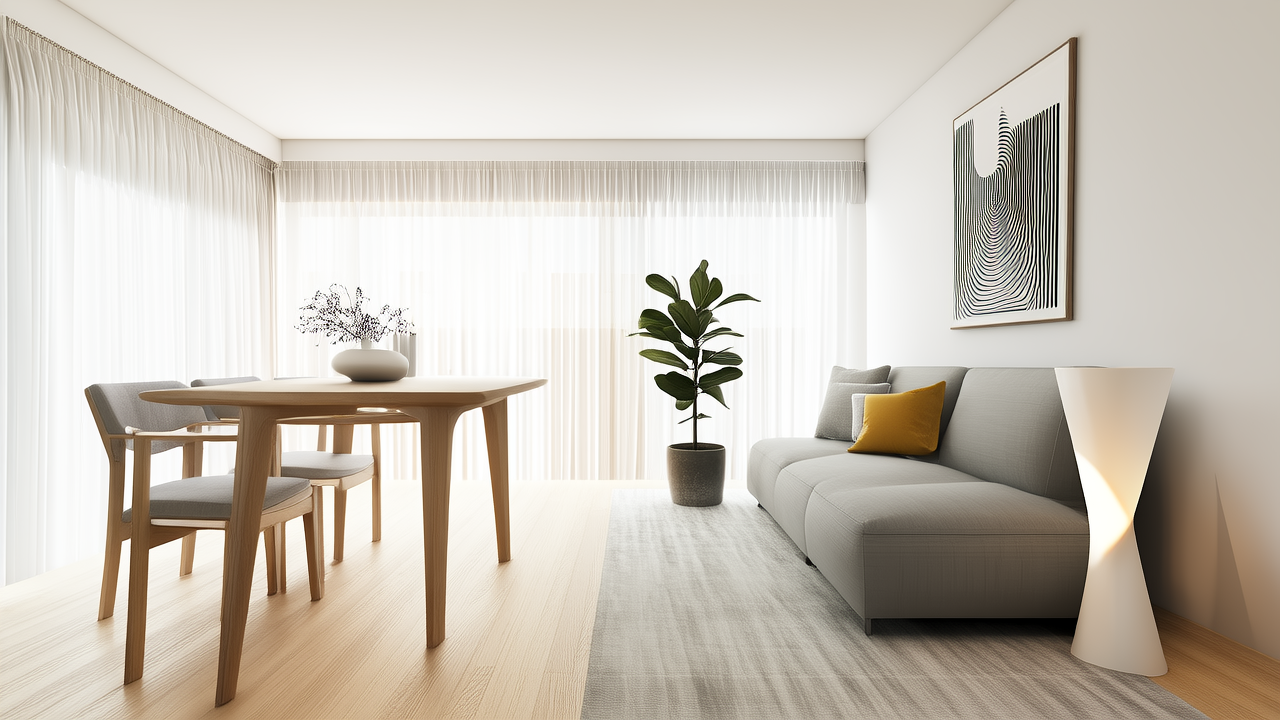
Bedroom Design Rules for a Restful Sleep Sanctuary
The best bedroom rules are simple comfort standards that turn a room into a place where sleep feels effortless: keep the bed away from traffic and noise, choose a mattress that supports your body, layer light at 100 to 300 lux for reading and under 5 lux for sleep, hold the room near 65 to 68 degrees Fahrenheit, use breathable bedding, and make storage visible enough to keep clutter off the floor. A restful bedroom is not about expensive decor alone; it is about repeatable choices in layout, temperature, texture, lighting, and maintenance that reduce friction before bed and make waking easier. The following rules are based on sleep hygiene, interior ergonomics, and practical product measurements that work in real apartments, primary suites, guest rooms, and small bedrooms.
Why the Best Bedroom Rules Start With Sleep Science
Most bedroom problems are not style failures. They are comfort failures. The National Sleep Foundation recommends 7 to 9 hours of sleep for adults, and healthy sleep architecture depends on light, temperature, sound, and support. During the night, core body temperature drops, melatonin rises with darkness, and the spine needs a surface that keeps it neutral. If the room is too bright, too hot, too noisy, or too cluttered, the nervous system stays alert. A set of rules helps you remove those friction points quickly.
A bedroom rule should be measurable. Instead of saying make it cozy, specify a target: 65 to 68 degrees Fahrenheit, 40 to 60 percent relative humidity, under 30 decibels of ambient noise during sleep, and blackout or dimmed light under 5 lux after bedtime. These numbers make design decisions less emotional and more repeatable. They also help when you shop for products such as Tempur-Pedic mattresses, Purple pillows, Slumber Cloud sheets, or a Hatch Restore sunrise alarm.
The best bedroom rules also respect daily use. A primary suite may need a 60 by 80 inch queen or 76 by 80 inch king bed, a 24 to 28 inch nightstand, and a 30 inch clearance on at least one side. A guest bedroom may need a full 54 by 75 inch bed, a fold-out chair, and a dresser that can hold towels without crowding the doorway. Small bedrooms need vertical storage, a lower-profile bed frame, and light-colored finishes that keep the room from feeling heavy.
Layout Rules That Make a Bedroom Feel Calm
Layout is the first rule because it controls movement, sightlines, and noise. A bedroom should let you walk to the bed, open a closet, and reach a lamp without stepping over furniture. If the layout forces you to squeeze, bump, or turn sideways, the room feels stressful before you even sit down. Good layout also gives the bed the space it needs to function as the anchor of the room.
The Bed Placement Rule: Anchor Without Blocking
Place the bed on the wall with the fewest windows and the least traffic. If the window is unavoidable, use curtains and a bed skirt or frame that hides under-bed clutter. For a queen bed, leave 24 to 30 inches on each side if the room allows; for a king, leave at least 28 inches. This clearance matters because it lets you make the bed, change sheets, and get in and out without scraping nightstands. It also gives the mattress room to breathe and prevents the frame from pressing against furniture.
Do not put the headboard against a wall that shares plumbing, laundry, or a loud hallway. If you must, add a solid headboard such as an upholstered model from RH, Pottery Barn, or Crate and Barrel, then place a narrow console or storage bench behind the bed to create a buffer. For rooms under 10 by 10 feet, choose a platform bed from IKEA, Article, or Wayfair with built-in drawers, then keep the walkway clear with a rug no thicker than half an inch under the bed.
The Three-Zone Rule for Light and Furniture
Divide the bedroom into sleep, dressing, and decompression zones. The sleep zone is the bed plus nightstands. The dressing zone is the wardrobe, dresser, mirror, and laundry hamper. The decompression zone is a chair, bench, reading lamp, and small side table. Each zone should have its own lighting. For the sleep zone, use a bedside lamp at 2700K to 3000K with a dimmer, or smart bulbs from Philips Hue or LIFX set to 100 to 300 lux for reading. For the dressing zone, use a 3000K to 3500K mirror light with at least 400 lumens. For the decompression zone, a floor lamp or sconce should be low enough not to shine directly in the eyes.
Mattress and Bedding Rules for Support and Comfort
Mattress rules are personal, but the body has common needs. Side sleepers usually need a mattress with 3 to 5 inches of contouring comfort to relieve shoulder pressure. Back sleepers often do best with medium support and 2 to 4 inches of foam or latex. Stomach sleepers need firmer support to prevent the hips from sinking too far. A good rule is to test a mattress for 15 minutes in your normal sleep position. If you feel pressure on your hips or shoulders within that time, the support is likely wrong.
Use these mattress brands as examples, not endorsements. Tempur-Pedic offers strong pressure relief for side sleepers who want contouring. Casper, Leesa, and Nectar provide balanced foam and hybrid options for many sleepers. Purple uses a grid that can help with airflow. Saatva, Helix, and Brooklyn Bedding offer hybrid and innerspring support with customizable firmness. Sleep Number lets you adjust firmness on each side, useful for couples with different weights. Avocado and Birch focus on natural materials and firmer support, while GhostBed offers cooling hybrids. The rule is simple: choose the support type that matches your body, then verify the return trial length, warranty, and delivery service.
Measure the mattress height for your body. A standard platform bed with a 12 to 14 inch mattress sits at 22 to 28 inches from the floor, which is comfortable for most adults. If you have knee pain, choose a lower bed frame or a 10 to 12 inch mattress to reduce the step height. For tall sleepers, a California king at 72 by 84 inches gives extra length, while a standard king at 76 by 80 inches gives width for couples or pets.
The Pillow Loft Rule
Pillows are the most ignored sleep product. Side sleepers usually need 3 to 5 inches of loft to fill the gap between ear and shoulder. Back sleepers need 2 to 3 inches. Stomach sleepers need 1 to 2 inches or no pillow at all. Replace pillows every 1 to 2 years, or when they do not spring back after folding. Brands like Purple, Tempur-Pedic, Coop Home Goods, and Boll and Branch offer adjustable or memory foam options. For neck support, look for a pillow with a contoured center or shredded fill that lets you remove material.
The Sheet and Blanket Rule
Sheets should feel cool to the touch and breathable. Percale cotton, Tencel, linen, and moisture-wicking blends work well. A 200 to 300 thread count percale sheet from Parachute, Brooklinen, or Boll and Branch often feels more breathable than a very high thread count sheet. For hot sleepers, Slumber Cloud or Cozy Earth cooling sheets can help. A weighted blanket from Bearaby or Gravity can provide deep pressure, but keep it between 10 percent and 15 percent of body weight and avoid it if you have circulation issues or sleep apnea without medical guidance.
Layer bedding so you can adjust without making the bed twice. A good layering rule is a fitted sheet, flat sheet, lightweight blanket, and duvet or comforter. Choose a duvet insert with a fill power that matches your climate: 400 to 600 for warmer rooms, 700 to 800 for colder rooms. Down alternatives from Pacific Coast or Cozy Earth are easier to wash. If you use a comforter, choose a removable cover with a hidden zipper so it stays flat and does not bunch during sleep.
Light, Temperature, Sound, and Smell Rules
Light rules are the fastest way to improve sleep. Use blackout curtains or roller shades from Lutron, IKEA, or Hunter Douglas. For a rental, a blackout liner or a curtain rod with clips can solve many problems. Aim for under 5 lux after bedtime. If you need a nightlight, use a red or amber bulb at 2700K or lower, placed below eye level. For morning light, use a sunrise alarm from Hatch or a smart bulb from Philips Hue that brightens gradually over 15 to 30 minutes. This supports circadian rhythm without forcing you to wake at a fixed bright flash.
Temperature rules should be set at the room, not just the thermostat. Keep the bedroom between 65 and 68 degrees Fahrenheit for most adults. Use a ceiling fan or a quiet tower fan from Dyson, Honeywell, or Rowenta to move air without creating noise. If your mattress traps heat, add a cooling pad from Eight Sleep or Slumber Cloud, or switch to a latex or hybrid mattress. Maintain 40 to 60 percent humidity. Too dry, and nasal passages and skin feel irritated. Too humid, and the room feels sticky and can encourage dust mites. A compact hygrometer from ThermoPro can help you track it.
Sound rules are often forgotten. A quiet bedroom should stay under 30 decibels at night. If you live near a street, use heavy curtains, weather stripping on windows, and a white noise machine from LectroFan or Marpac. A Bose SoundSleep or a bedside speaker with low-frequency noise can mask traffic. If you snore or your partner moves, a motion isolation mattress from Tempur-Pedic, Purple, or Sleep Number may help. For pets, create a separate sleeping area with a pet bed from Kuranda or Big Barker, and keep them off the bed if allergies are an issue.
Smell rules should be gentle. The best bedroom scent is often no scent. If you use fragrance, choose a low-volatile option such as a linen spray from Parachute, a small diffuser with lavender or chamomile, or a natural beeswax candle. Avoid synthetic plug-ins and strong essential oils if anyone has asthma or chemical sensitivity. Keep scent near the dressing zone, not on the pillow.
Color, Texture, and Decor Rules
Color rules do not need to be perfect, but they should reduce visual noise. Cool neutrals, muted greens, soft blues, warm taupes, and low-saturation grays often feel restful. For a small bedroom, paint walls in a light neutral and keep trim one shade lighter. For a primary suite, you can use a deeper accent wall behind the bed, but keep the ceiling light. If you want pattern, use it in a rug, throw, or headboard, not on every surface. The goal is a room that the eye can rest in, not one that demands attention.
Texture rules should create warmth without clutter. Use one soft layer, one structured layer, and one natural layer. A boucle chair from Article or West Elm, a wood nightstand from Pottery Barn, and a linen throw from Crate and Barrel or Serena and Lily give the room depth without competing. Keep decor items under five per surface. If you have books, magazines, chargers, and candles, put them in a tray or basket. Visual clutter raises the sense of unfinished tasks, which can make it harder to relax.
- Choose one anchor color at 60 percent of the room, usually walls and large furniture.
- Use a secondary color at 30 percent, such as bedding, rug, or curtains.
- Limit accent colors to 10 percent, such as pillows, artwork, or a throw.
- Keep artwork at eye level when seated, usually 57 to 60 inches from the floor.
- Avoid reflective glass or bright metallics facing the bed, because light bounce can disturb sleep.
Storage, Safety, and Maintenance Rules
Storage rules keep the bedroom calm. A dresser should sit 6 to 8 inches from the bed so drawers can open. A closet rod should be 66 to 72 inches high for hanging clothes, with a second rod at 36 to 42 inches for shorter items. For small rooms, use under-bed bins from IKEA, a storage bench, or a slim wardrobe from Wayfair. Keep the floor 80 percent clear. If you see shoes, boxes, or laundry every night, your brain registers a to-do list before sleep.
Safety rules matter because bedrooms are used in the dark. Keep cords behind furniture with cable raceways. Use a surge protector from Belkin, Anker, or APC instead of stacking chargers. Make sure smoke and carbon monoxide alarms are installed and tested every month. If you use a space heater, keep it 3 feet away from bedding and curtains, and choose a model with tip-over and overheat protection from Honeywell or DeLonghi. For children, anchor dressers and bookcases to wall studs, and use cordless shades from Hunter Douglas or IKEA.
Maintenance rules prevent comfort from fading. Vacuum the mattress quarterly with an upholstery attachment. Rotate a non-adjustable mattress every 3 to 6 months. Wash sheets weekly in warm water, and wash duvet covers monthly. Check the bed frame for squeaks and tighten bolts. Replace HVAC filters every 60 to 90 days, or more often with pets. A clean bedroom is not just nicer; it lowers allergens, dust mites, and odors that disturb sleep.
A Practical Bedroom Rules Checklist by Room Type
Use this checklist before you buy anything. It helps you turn general ideas into measurable actions. Start with the bed, because it occupies the largest visual and physical space. Then set the temperature and light. Then add storage. Finally, choose decor that supports the calm you want.
- Measure the bed, nightstands, and walkways before shopping.
- Set the target temperature at 65 to 68 degrees Fahrenheit.
- Choose blackout curtains or shades for the window.
- Select a mattress firmness that matches your sleep position.
- Buy pillows with the correct loft for side, back, or stomach sleeping.
- Layer bedding so you can remove one layer without waking.
- Remove or hide electronics that glow or make noise.
- Keep the floor 80 percent clear with drawers, bins, or a bench.
- Test the room at night with the lights off and the door closed.
- Adjust one variable at a time for two weeks before judging results.
Not every bedroom has the same needs. A small rental bedroom may need a twin or full bed, a wall-mounted lamp, and a rolling cart from IKEA or Wayfair. A primary suite may benefit from a king bed, two nightstands, a bench, and a separate reading chair. A guest bedroom should be flexible: use a full or queen bed, a compact dresser, and a stackable chair. A kids room needs lower storage bins, a nightlight, and a bed frame that can grow with the child. For teens, keep the bed away from the window and use a dimmable lamp for homework.
For couples, the best bedroom rules reduce conflict. Use two separate lighting circuits or smart bulbs. Choose a mattress with motion isolation such as Tempur-Pedic, Purple, or Sleep Number. If one partner is hot, add a cooling pad or a breathable topper from Brooklyn Bedding. If one partner wakes from noise, use a white noise machine and a soft rug. If pets sleep in the bed, set a rule for where they go when the bed is made, and wash bedding more often to control dander.
| Rule | Best Target | Measurement | Example Brands or Products |
|---|---|---|---|
| Bed clearance | Queen and king beds | 24 to 30 inches on at least one side | IKEA MALM, Article Sven, Wayfair platform beds |
| Nightstand height | Bedside access | 24 to 28 inches, matching mattress height | Pottery Barn, West Elm, Crate and Barrel |
| Mattress comfort | Side sleepers | 3 to 5 inches of contouring support | Tempur-Pedic, Casper, Purple, Nectar |
| Pillow loft | Back sleepers | 2 to 3 inches | Coop Home Goods, Purple, Boll and Branch |
| Room temperature | Most adults | 65 to 68 degrees Fahrenheit | Eight Sleep, Slumber Cloud, Dyson fans |
| Sleep light | After bedtime | Under 5 lux | Lutron shades, Philips Hue, Hatch Restore |
| Ambient noise | Light sleepers | Under 30 decibels | LectroFan, Marpac, Bose SoundSleep |
| Humidity | Comfort and allergens | 40 to 60 percent | ThermoPro hygrometer, Levoit humidifier |
Before changing everything, test one night. Set the thermostat to 66 degrees. Close blackout curtains. Turn the bedside lamp to the lowest setting. Put your phone outside the bedroom or on a charging pad at least 6 feet from the bed. Place a pillow with the right loft. Make the bed so the floor is clear. Then note how long it takes to fall asleep, how many times you wake, and how you feel at 7 a.m. If you sleep better, keep that rule. If not, change one variable: mattress firmness, blanket weight, or light level. Do not change five things at once, because you will not know what helped.
The best bedroom rules are not rigid. They are guardrails. They let you enjoy comfort without guessing. A room that follows these rules feels calm because the body receives consistent cues: cool air, soft light, supportive surfaces, and a clear path to rest. When those cues are present, sleep becomes easier, mornings become smoother, and the bedroom starts working as it should: as a place to recover, not a place to store clutter or fight over temperature settings.