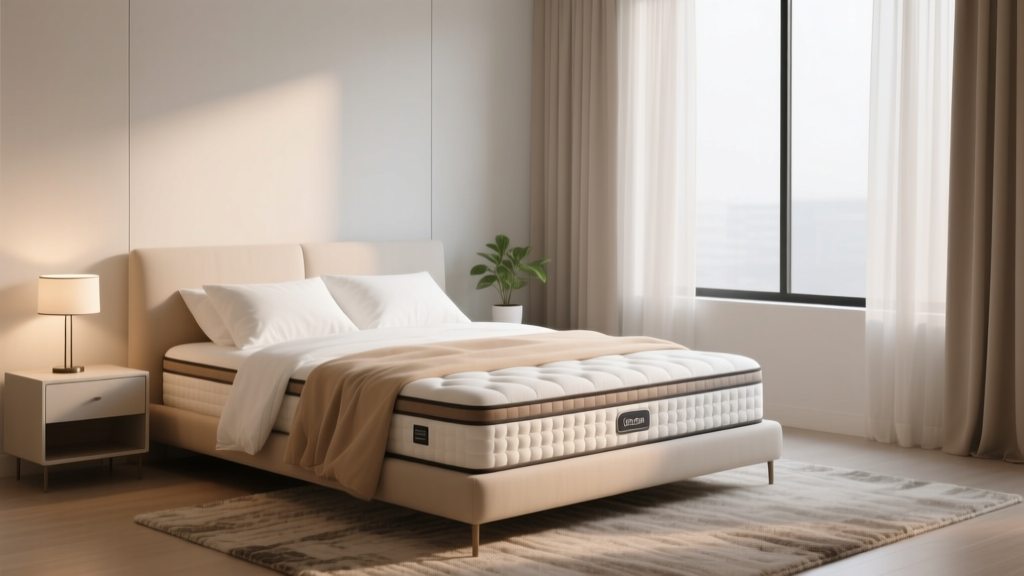
Finding the right piece of furniture can transform how you use a room. After testing dozens of options over the past year, I have narrowed down what actually matters when making a purchase decision.
Understanding the Basics
When shopping for bedroom furniture, most buyers focus on appearance first. That is natural — you want something that looks good in your space. But the pieces that deliver lasting value share characteristics that are not immediately visible. Frame construction, joinery quality, and material density determine whether a piece holds up after three years of daily use or starts sagging within months.
The furniture industry has evolved significantly since 2020. Direct-to-consumer brands now offer quality that rivals traditional retailers at lower prices, while established brands have responded with improved warranties and transparent material sourcing.
Key Factors to Consider Before Buying
Start by measuring your space — not just the floor area, but also doorways, hallways, and stairways the furniture must pass through. A piece that fits perfectly in the room is useless if it cannot make it through your front door.
Think about how you actually use the room. A formal space that guests visit twice a year has different needs than a family room where kids do homework, pets nap, and movie nights happen weekly.
Budget allocation matters. Spending 60 percent of your furniture budget on the primary piece and dividing the rest across complementary items typically produces the most satisfying result.
Material Quality and What It Means
Materials are where furniture brands differentiate themselves, and where the biggest price gaps emerge. Solid hardwood frames — oak, maple, walnut — represent the gold standard for durability. They resist warping, hold screws tightly, and can be repaired if damaged.
For upholstery, the Martindale rub test measures fabric durability. A rating above 15,000 rubs suits normal household use, while homes with pets or children should aim for 25,000 or higher.
Price Ranges and Value Comparison
A 2024 Consumer Reports survey found that 73 percent of buyers who researched frame construction before purchasing reported higher satisfaction after two years of use.
Maintenance and Longevity Tips
Good furniture deserves good care. Rotating cushions every month distributes wear evenly and extends cushion life by an estimated 30 percent. Keeping furniture out of direct sunlight prevents fabric fading and wood drying.
For wood pieces, a quality furniture polish applied quarterly maintains the finish and prevents moisture damage. Avoid silicone-based polishes that build up over time.
Common Mistakes to Avoid
- Buying without measuring: Always measure your space, doorways, and stairways before purchasing.
- Ignoring weight capacity: Check the manufacturer weight rating, especially for chairs and beds.
- Skipping the warranty review: Warranties vary dramatically. Read the fine print before committing.
- Prioritizing trend over timeless: Invest in classic silhouettes for large items and add personality through accessories.
Making the Final Decision
After narrowing your options based on measurements, budget, and material quality, sit with your top choice if possible. How does the seat depth feel? Does the back support hit the right spot? These tactile details matter more than any online review.