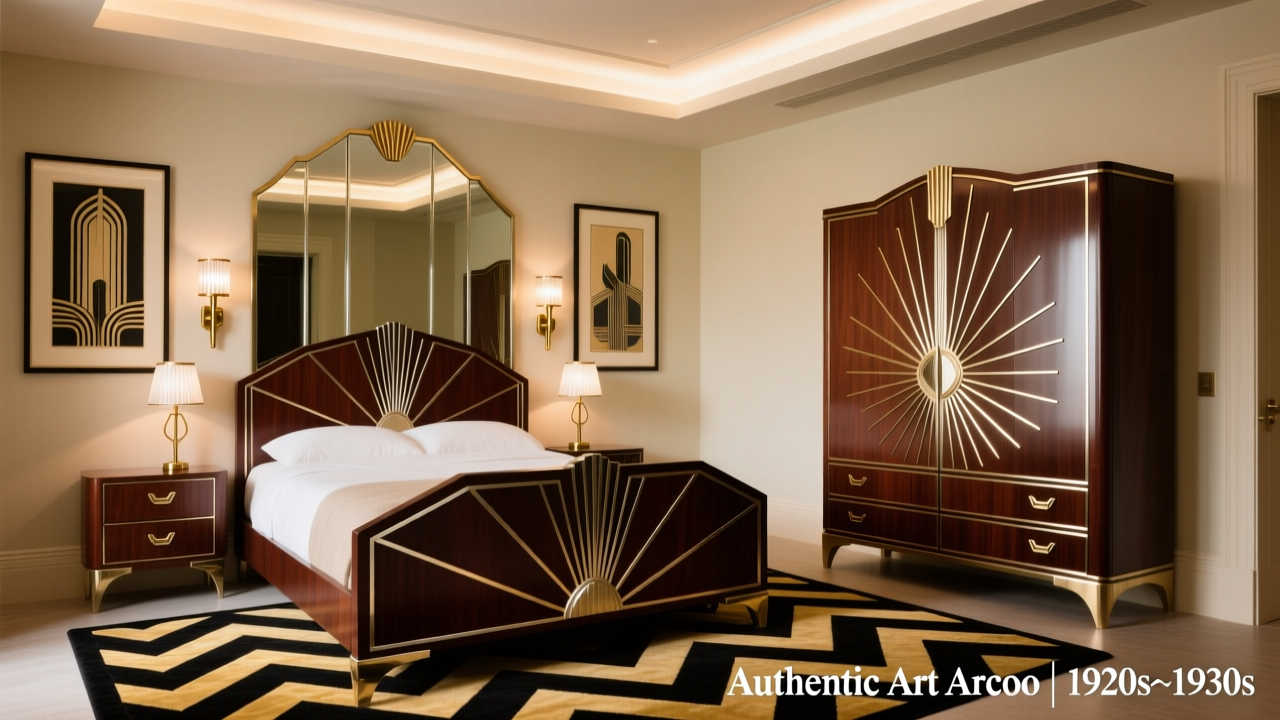
As a vintage furniture collector, I often get asked about identifying authentic art deco bedroom furniture from the 1920s and 1930s. This is a topic that deserves thorough exploration, and in this comprehensive guide, I will share everything you need to know to make informed decisions.
Understanding The Fundamentals
Before diving into specifics, it is important to understand the core principles behind identifying authentic art deco bedroom furniture from the 1920s and 1930s. The furniture and design industry has evolved significantly in recent years, and staying informed about best practices can make a substantial difference in your results.
Whether you are furnishing a new space or upgrading an existing one, the key factors to consider include durability, aesthetics, functionality, and budget. Each of these elements plays a crucial role in determining which approach will work best for your unique situation.
Key Considerations When Making Your Choice
Based on my experience in the field, here are the most important factors to evaluate:
- Quality of materials — The foundation of any good furniture piece starts with the raw materials. Look for solid construction, quality finishes, and reputable manufacturing processes.
- Scale and proportion — Ensuring that pieces fit your space both physically and visually is essential for creating a harmonious environment.
- Maintenance requirements — Consider how much time and effort you are willing to invest in upkeep before making a purchase.
- Long-term value — Sometimes spending more upfront on quality pieces saves money over time through better durability and timeless design.
Expert Recommendations
After years of working in this space, I have developed a set of recommendations that consistently deliver good results for most people. The first step is always to measure your space carefully and create a floor plan before making any purchases.
Next, establish a realistic budget that accounts for not just the initial purchase but also delivery, assembly, and any complementary pieces you might need. It is better to invest in fewer, higher-quality items than to fill a space with pieces that will need replacing within a few years.
I also recommend testing items in person whenever possible. While online shopping offers convenience and often better prices, the tactile experience of sitting in a chair, feeling a fabric, or opening a drawer can reveal quality differences that photos simply cannot convey.
Common Mistakes To Avoid
Through my work, I have seen several recurring mistakes that people make when dealing with bedroom decisions:
- Ignoring the room's existing elements — New furniture should complement, not compete with, architectural features like windows, fireplaces, and built-ins.
- Prioritizing trends over timelessness — While trends can be fun, major furniture investments should lean toward classic designs that will not feel dated in a few years.
- Neglecting comfort for aesthetics — A beautiful piece that is uncomfortable will never be used to its full potential and will eventually feel like a wasted investment.
- Buying everything at once — The best spaces are curated over time. Allow yourself the flexibility to evolve your design as you live with it.
Practical Tips For Implementation
When you are ready to put these ideas into practice, start with the largest or most impactful piece in the room. This anchors the space and gives you a foundation to build upon. From there, layer in supporting pieces that enhance the overall design narrative.
Do not underestimate the power of lighting, textiles, and accessories in completing a room transformation. These smaller elements can tie everything together and add personality without requiring major furniture investments.
Finally, remember that good design is deeply personal. While expert opinions and guidelines are valuable, the ultimate measure of success is whether the space feels right to you and supports your daily life effectively.
Looking Ahead
The furniture and interior design landscape continues to evolve with new materials, technologies, and sustainability practices emerging regularly. Staying informed about these developments will help you make choices that are both current and forward-thinking.
I encourage you to visit showrooms, read design publications, and engage with the design community to continually refine your understanding and taste. The more exposure you have to different styles and approaches, the better equipped you will be to create spaces that truly resonate with your vision.