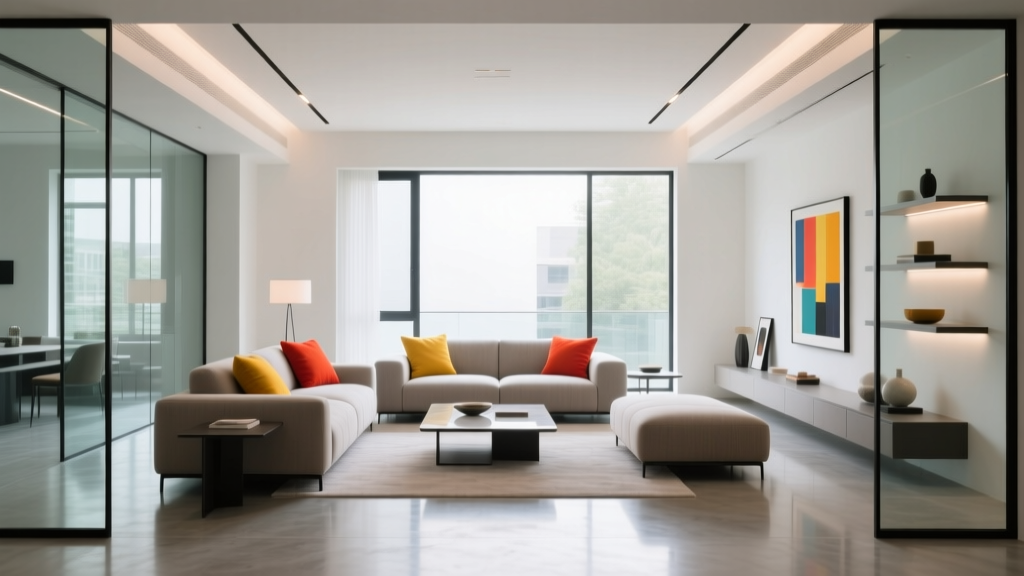
Modern Alternatives to China Cabinets
Modern Alternatives to China Cabinets for Today’s Dining Rooms
In 2026, the traditional ornate china cabinet—often bulky, formal, and ill-suited to open-concept living—has given way to thoughtfully designed storage solutions that prioritize flexibility, aesthetics, and everyday usability. As dining rooms evolve into multifunctional hubs (hosting remote work, casual meals, and social gatherings), homeowners and designers are seeking alternatives that offer display, organization, and architectural interest without sacrificing floor space or modern sensibility. This guide explores five high-performing, contemporary alternatives to the classic china cabinet—complete with real-world dimensions, material recommendations, and practical integration tips.
1. Floating Open Shelving Systems
Minimalist and highly customizable, floating open shelves eliminate visual weight while showcasing curated dishware, glassware, and tabletop accessories. Ideal for narrow walls or rooms under 12' x 14', a standard configuration uses three to five 36"–48" wide shelves spaced 12"–18" apart. Mount shelves at eye level (centered between 48"–60" from the floor) for optimal visibility and accessibility. Choose solid oak, matte black steel, or FSC-certified walnut for durability and warmth. Avoid overloading: limit shelf depth to 10"–12" to prevent tipping and maintain proportion. Pro tip: Install integrated LED strip lighting (3000K warm white) beneath each shelf for ambiance and accentuation—especially effective with textured ceramics or hand-blown glass.
2. Low-Profile Sideboards with Integrated Display
Sideboards remain a top choice—but today’s versions blend closed storage with intentional open zones. Look for models with a 30"–36" height (standard dining table height is 29"–30", so a 32" sideboard creates seamless sightlines), 16"–20" depth, and 60"–72" width. In 2026, leading designs feature one or two open cubbies (12"H × 12"W × 10"D each) flanked by soft-close drawers and cabinet doors. Materials matter: powder-coated steel frames paired with thermo-fused laminate (TFL) in stone or concrete finishes offer scratch resistance and easy cleaning; for warmth, opt for rift-cut white oak veneer over CARB-compliant plywood. Bonus: Many include built-in charging stations (USB-C + Qi wireless) and adjustable interior shelving—making them as functional for tech as for table linens.
3. Modular Wall Units (aka "Living Wall" Systems)
For larger dining areas (14' x 16' or more), modular wall units deliver maximum versatility. These systems consist of interchangeable components—vertical towers (12"W × 84"H), horizontal cabinets (36"W × 18"H), and open display boxes (16" × 16" × 10")—that attach to a hidden rail system anchored into wall studs. A balanced 2026 layout might combine a 36" open box (for wine decanters), a 12" closed tower (for napkin sets and chargers), and a 48" low cabinet (with pull-out tray dividers for flatware). All components should use ¾" engineered wood cores with melamine or PETG thermofoil surfaces—resistant to humidity fluctuations common near dining areas. Ensure total unit depth stays ≤14" to avoid crowding walkways.
4. Glass-Front Buffet Cabinets with Concealed Storage
This hybrid bridges tradition and modernity: a clean-lined cabinet with full-height tempered glass doors (frosted, ribbed, or frameless) and intelligent internal organization. Opt for a footprint of 66"W × 20"D × 34"H—tall enough for vertical dish stacking but low enough to preserve conversation sightlines across the table. Interior features to prioritize: adjustable glass shelves (¼" tempered, rated for 35 lbs per shelf), pull-out wire baskets for tablecloths, and a dedicated drawer with velvet-lined compartments for stemware. Frame materials? Anodized aluminum (lightweight, corrosion-resistant) or matte black iron for industrial contrast. Avoid clear glass unless paired with consistent background panels (e.g., linen-backed inserts or monochrome wallpaper) to prevent visual clutter.
5. Convertible Banquet Storage Benches
Perfect for compact dining nooks or studio apartments, upholstered banquet benches double as seating and discreet storage. A recommended size: 72"L × 18"D × 18"H (seat height matches standard chairs). The lift-up lid reveals 12"H × 15"D × 68"W of dry, ventilated storage—ideal for seasonal tableware, placemats, or board games. Upholstery should be Crypton or Revolution Performance Fabric (stain-, moisture-, and abrasion-resistant); base construction requires kiln-dried hardwood frames and 2" high-resilience foam. For safety and longevity, confirm hydraulic lift mechanisms are rated for 50,000+ cycles and include anti-slam dampening.
Material & Measurement Checklist for 2026
- Wood Alternatives: Bamboo (rapidly renewable, Janka hardness ~1380), MDF with UV-cured acrylic finish (zero VOC, fingerprint-resistant), and reclaimed teak (naturally weather- and rot-resistant).
- Non-Wood Options: Aluminum alloy frames (recycled content ≥85%), PETG plastic panels (impact-resistant, recyclable), and terrazzo composite (crushed stone + bio-resin, ideal for countertops integrated into sideboards).
- Clearance Rules: Maintain ≥36" circulation path around furniture; allow 12" behind chairs when pulled out; ensure cabinet doors open fully without hitting adjacent walls or light fixtures.
- Weight Limits: Verify shelf load ratings—open shelves should support ≥25 lbs/linear foot; glass shelves ≥35 lbs; drawer glides ≥100 lbs tested.
Final Integration Tips
Before purchasing, map your dining room’s traffic flow using painter’s tape on the floor. Test alternative layouts with cardboard cutouts at true scale. Prioritize pieces with adjustable feet (to compensate for uneven floors) and cord management grommets if integrating lighting or charging. And remember: modern storage isn’t about hiding things—it’s about editing intentionally. Display only what you love and use regularly; store the rest in labeled, stackable bins within closed compartments. In 2026, the most successful dining rooms reflect calm, clarity, and conscious curation—not crowded cabinets.
Whether you’re refreshing a rental apartment or designing a new-build home, these alternatives prove that functionality and beauty need not compete—they converge where thoughtful design meets daily life.