Area Rug Sizing: The Complete Room-by-Room Guide
Why Rug Size Matters
A too-small rug makes a room feel disjointed and cheap. A too-large rug overwhelms the space and crowds furniture. Getting the size right transforms how a room looks and feels.
The Front-Legs Rule
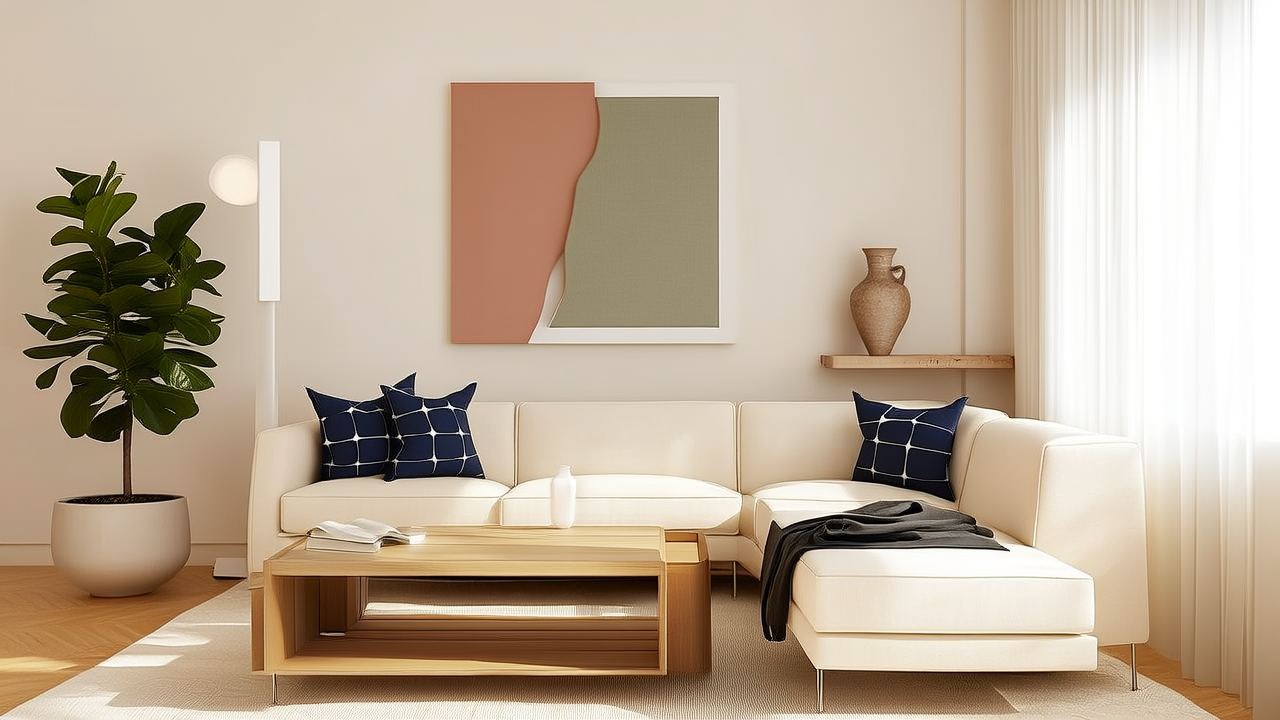
In living rooms, all front legs of seating furniture should sit on the rug. Back legs can be on or off — that's a matter of room size and preference. This anchors the furniture grouping visually.
Living Room Rug Sizes
Standard Living Room (12x14 ft)
Ideal size: 8x10 or 9x12 feet. The rug should extend 6-12 inches beyond each side of the sofa.
Small Living Room (10x12 ft)
Ideal size: 5x7 or 6x9 feet. At minimum, all front legs on the rug.
Large Living Room (15x20 ft)
Ideal size: 9x12 or 10x14 feet. Consider layering a smaller patterned rug over a larger neutral one.
Dining Room Rug Sizes
The rug must extend at least 24 inches beyond the table on all sides so chairs stay on the rug when pulled out. Measure your table, then add 48 inches to both length and width.
- 4-person table (36"x48"): 7x9 ft rug minimum
- 6-person table (36"x72"): 8x10 ft rug minimum
- 8-person table (42"x96"): 9x12 ft rug minimum
Bedroom Rug Sizes
Under the Bed (most common)
The rug should extend 18-24 inches beyond each side of the bed and at least 24 inches at the foot.
- Queen bed (60"x80"): 8x10 ft rug
- King bed (76"x80"): 9x12 ft rug
Runners at the Sides
Two 2.5x8 ft runners parallel to the bed work well in smaller rooms.
Common Mistakes
- Rug too small — "floating" in the middle of the room with no furniture touching it
- Ignoring the room's focal point — the rug should frame, not fight, the main furniture grouping
- Forgetting door clearance — make sure doors swing freely over the rug
- Not measuring — always tape out the proposed rug size on the floor before buying
Pro Tip
Use painter's tape to mark the rug's outline on your floor. Live with it for a day. Walk around it. Move furniture. This prevents expensive sizing mistakes.