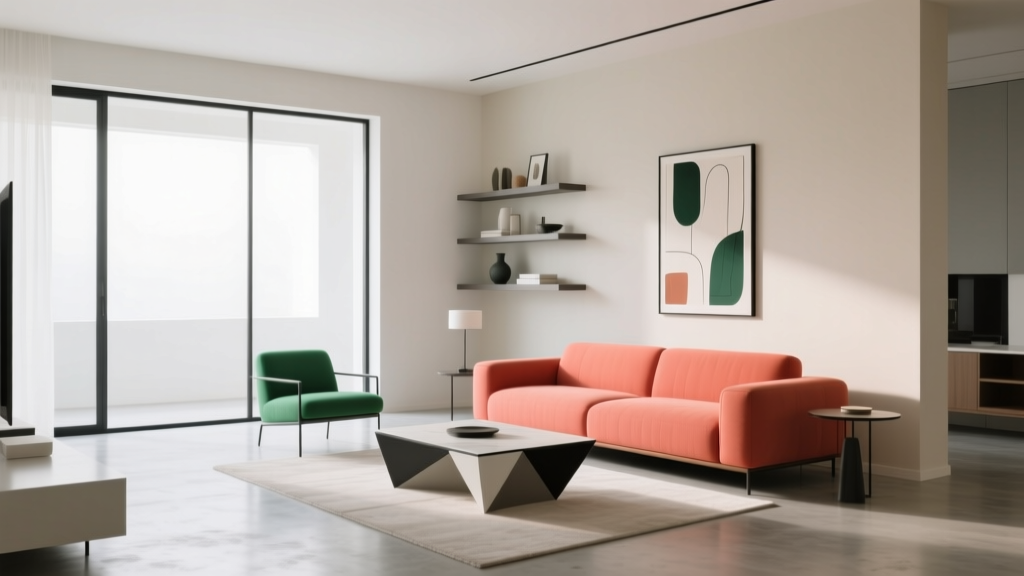
Best Area Rugs for Hardwood Floors in Living Rooms
Why the Right Area Rug Matters on Hardwood Floors
Hardwood floors bring timeless elegance and durability to living rooms—but they can feel cold, echo-prone, and slippery without proper layering. A well-chosen area rug does more than add color or pattern: it protects your 2026 hardwood investment from scratches, scuffs, and UV fading; dampens sound; adds warmth underfoot; and anchors furniture groupings with intention. Yet not all rugs are created equal for hardwood. The wrong backing, weight, or material can mar finishes, trap moisture, or slide dangerously. This guide cuts through the noise with practical, up-to-date insights tailored specifically for living-room hardwood floors.
Key Considerations Before You Buy
Size & Proportion: Fit That Feels Intentional
For living rooms, size is foundational. As of 2026, interior designers consistently recommend one of three standard layouts:
- Full-Furniture Coverage: Rug extends at least 12–18 inches beyond the front legs of your sofa and chairs (e.g., 9' x 12' for a 12' x 15' room). Ideal for spacious, formal living rooms.
- Front-Legs-Only: Most common and versatile. All front legs of seating sit on the rug; back legs rest on hardwood. Works beautifully with 8' x 10' or 9' x 12' rugs in medium-sized rooms (10' x 12' to 14' x 16').
- Minimalist Anchor: Smaller rugs (5' x 8' or 6' x 9') placed only beneath the coffee table and front sofa legs—ideal for studios or open-concept spaces where floor visibility is key.
Avoid undersized rugs that float awkwardly or oversized ones that crowd circulation paths. Measure your space first—and always leave a consistent 12–24 inch hardwood border around the rug’s perimeter for visual balance.
Backing & Non-Slip Safety: Protect Your Floor & Your Family
The rug’s underside is just as critical as its face. Hardwood floors require non-abrasive, breathable backing that won’t stain, yellow, or chemically react with modern polyurethane or oil-based finishes. In 2026, avoid:
- Rubber-backed rugs (especially cheap vinyl or latex blends)—they can permanently discolor or etch hardwood over time.
- Heavy jute or sisal without a secondary barrier—these natural fibers shed grit that scratches finishes.
- Any rug lacking explicit "hardwood-safe" certification or third-party testing (e.g., CertiPUR-US® for padding, or GreenGuard Gold).
Instead, look for: low-profile felt, cotton canvas, or woven cotton backings—or pair a natural-fiber rug with a certified hardwood-safe rug pad (more on that below).
Top Rug Materials for Hardwood Living Rooms (2026 Edition)
Wool: The Gold Standard for Durability & Luxury
Naturally resilient, flame-retardant, and soil-resistant, wool remains the top choice for high-traffic living rooms. Its crimped fibers trap dust instead of letting it settle into hardwood crevices—and its lanolin content repels spills. In 2026, premium wool rugs (New Zealand or Tibetan origin) offer enhanced moth resistance and tighter weaves for longer pile life. Downsides? Higher price point ($299–$1,200+), and lighter shades may show shedding initially. Best for traditional, transitional, or layered boho spaces.
Performance Polyester & Polypropylene: Smart, Stain-Resistant Picks
Engineered for modern lifestyles, solution-dyed polyester and polypropylene resist fading, moisture, and crushing—even under heavy furniture. These synthetics dominate 2026’s best-selling living-room rugs: think textured geometrics, vintage-inspired flatweaves, and soft chenille options. They’re also hypoallergenic and easy to spot-clean. While less breathable than wool, their lightweight construction and smooth backings make them ideal for floating hardwood installations. Price range: $129–$499.
Flatweave Cotton & Jute Blends: Breathable & Eco-Conscious
Cotton kilims and jute-cotton hybrids deliver texture, sustainability, and excellent breathability—critical for maintaining hardwood’s moisture equilibrium. In 2026, leading brands use OEKO-TEX® certified dyes and reinforced selvedge edges to prevent fraying. Note: Pure jute is too abrasive alone; always choose a jute-cotton or jute-blend with a soft backing or pair it with a rug pad. Ideal for Scandinavian, coastal, or minimalist living rooms. Budget-friendly ($89–$349).
Hand-Tufted & Low-Pile Synthetic Blends: Versatility Meets Value
Combining acrylic, nylon, and recycled PET fibers, these rugs offer plush comfort without deep pile trapping debris. Their tight, low-profile construction (¼"–⅜" pile height) prevents tripping, eases vacuuming, and keeps hardwood visible at the edges—a major plus for open-plan homes. Many feature built-in anti-slip backing or are explicitly labeled "hardwood-floor approved." Top sellers in 2026 include abstract organic patterns and subtle tonal gradients.
Rug Pads: Non-Negotiable for Hardwood Protection
No matter your rug’s material, a proper pad is essential—not optional. In 2026, the industry standard is a dual-layer, ⅛"–¼" thick pad made from natural rubber (top layer) and felt or recycled felt (bottom layer). Why?
- Prevents Slipping: Eliminates dangerous shifting—especially critical with kids or pets.
- Reduces Wear: Absorbs impact from foot traffic and furniture legs, extending both rug and floor life.
- Improves Acoustics: Dampens hollow echoes common with hardwood subfloors.
- Preserves Finish: Natural rubber is pH-neutral and non-staining; unlike PVC or synthetic rubber, it won’t yellow or bond to polyurethane.
Pro tip: Size your pad 1–2 inches smaller than the rug on all sides—this prevents curling and keeps edges taut. Avoid foam-only pads: they compress quickly and offer no grip.
What to Avoid in 2026
Steer clear of these outdated or risky choices:
- Thick shag rugs without proper backing—they trap moisture, promote mold, and obscure hardwood grain unnecessarily.
- Unsealed or unfinished natural fiber rugs—raw jute or seagrass can leach tannins onto light hardwoods.
- Rugs sold without care instructions specific to hardwood—if the brand doesn’t address finish compatibility, skip it.
- Overly large rugs in small rooms—they disrupt flow and make spaces feel cramped, counter to 2026’s emphasis on airy, functional design.
Maintenance Tips for Longevity
Extend your rug’s life—and protect your hardwood—with simple habits:
- Vacuum weekly using suction-only (no beater bar) for wool and flatweaves; gentle setting for synthetics.
- Rotate every 3–6 months to ensure even wear and sun exposure—especially near windows.
- Blot—not rub—spills immediately with a white, absorbent cloth. For wool, use pH-neutral cleaner; for synthetics, mild dish soap + water.
- Professional cleaning every 18–24 months maintains fiber integrity and removes embedded particles that dull hardwood underneath.
Final Thought: Harmony Over Hype
The best area rug for your hardwood living room isn’t defined by trend alone—it’s the one that balances protection, proportion, and personality. Whether you lean into the enduring luxury of wool, the smart resilience of performance synthetics, or the grounded texture of eco-conscious flatweaves, prioritize certifications, correct sizing, and a hardwood-safe pad. In 2026, thoughtful curation wins over impulse buys—every time.