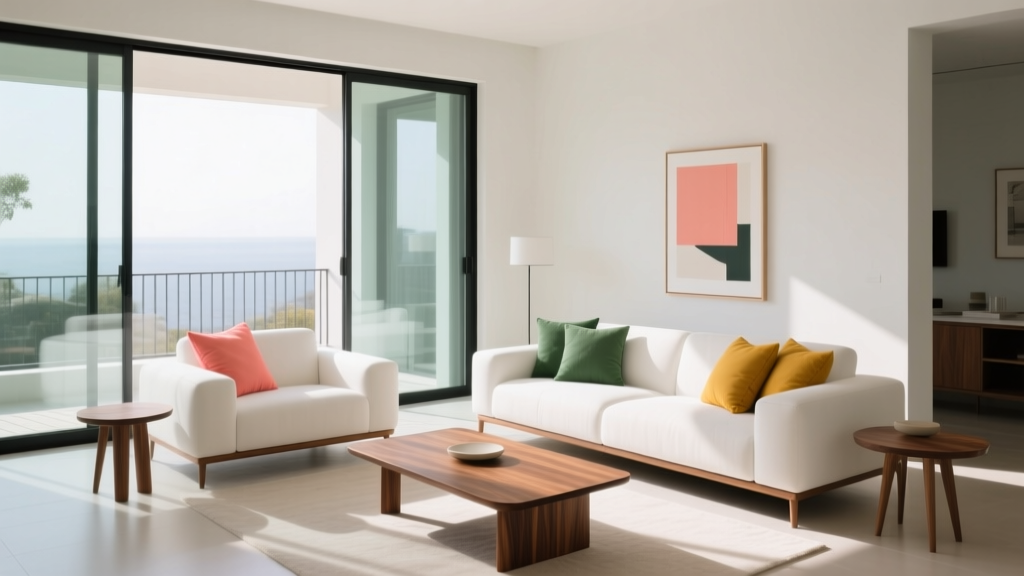
Coffee Table Materials: Wood vs Glass vs Marble
Coffee Table Materials Compared: Wood, Glass & Marble for the Modern Living Room (2026)
Choosing the right coffee table isn’t just about aesthetics—it’s a functional decision that impacts daily life, long-term durability, safety, and even resale value. As interior design trends evolve in 2026, we’re seeing renewed appreciation for material authenticity, sustainable sourcing, and multi-generational usability. In this expert comparison, FurnishCuration.com breaks down the three most popular coffee table materials—solid wood, tempered glass, and natural stone (focusing on marble)—with actionable insights tailored specifically to living-room use.
Why Material Matters More Than Ever in 2026
Today’s living rooms serve as hybrid spaces: work hubs, entertainment centers, family gathering zones, and quiet retreats. A coffee table must withstand spills from morning lattes, laptop heat, dropped remotes, pet paws, and children’s art supplies—all while anchoring your room’s visual rhythm. Unlike side or nesting tables, the coffee table sits front-and-center, making material choice both practical and symbolic. According to the 2026 American Home Furnishings Survey, 68% of homeowners prioritize "low-maintenance longevity" over trend-driven finishes—and material selection is the #1 driver of that quality.
Wood: Warmth, Character & Time-Tested Resilience
Best for: Families, traditional-to-modern-rustic interiors, homes with pets or young children (when properly finished).
Common species: Walnut (rich grain, medium hardness), White Oak (lighter tone, high density), Black Cherry (warm reddish hue, self-healing surface), Reclaimed Pine (eco-conscious, textured patina).
Key specs: Solid hardwood (not veneer) ≥¾" thick; sustainably harvested (FSC-certified preferred); water-based matte or satin polyurethane finish (non-yellowing, scratch-resistant).
Wood remains the most versatile and forgiving option. Its natural elasticity absorbs impact better than rigid materials, reducing chipping and cracking risks. In 2026, we recommend minimum dimensions of 42"–48" L × 22"–26" W × 16"–18" H for standard seating (sofa + two armchairs). For sectional layouts, extend length to 54"–60", but keep height ≤17" to maintain sightlines and ergonomic reach.
Practical advice: Avoid open-grain woods like ash in high-spill zones unless sealed with 3+ coats of hard-wax oil. Always use felt pads under lamps and remotes. Wipe spills immediately—but don’t panic over water rings; most modern finishes resist light moisture for up to 15 minutes. Refinishing is possible every 7–10 years, extending lifespan beyond 30 years.
Tempered Glass: Sleek Clarity & Strategic Lightness
Best for: Small apartments, minimalist or Scandi-Japanese interiors, rooms with limited natural light.
Standard specs: ½" (12mm) thick tempered glass (meets ASTM C1048 safety standards); beveled or polished edges; supported by metal (powder-coated steel or brushed brass) or solid wood frame.
Dimensions: Opt for 40"–44" L × 20"–24" W × 16"–17" H. Avoid oversized glass-only tops (>48") without robust framing—structural integrity drops sharply beyond this scale.
Glass excels at creating visual airiness and reflecting ambient light—ideal for studios or north-facing rooms. But clarity comes with caveats: fingerprints, dust, and smudges are highly visible, requiring weekly microfiber cleaning with vinegar-water (1:3 ratio) or ammonia-free glass cleaner. Tempered glass is 5x stronger than annealed glass and shatters into dull, pebble-like fragments if broken—a critical safety feature for households with toddlers or active pets.
Practical advice: Never place hot mugs or laptops directly on bare glass—use cork or silicone coasters rated to 250°F. Avoid abrasive scrubbing tools. Inspect metal supports quarterly for wobble or corrosion. Note: Glass tables feel colder and harder underfoot—pair with plush area rugs (≥8' x 10') to soften acoustics and improve comfort.
Marble: Luxury, Weight & Natural Uniqueness
Best for: Formal living rooms, design-forward condos, and collectors seeking heirloom pieces.
Varieties & specs: Carrara (subtle gray veining, softer, more porous), Calacatta (bold white/gold veins, denser), Statuario (crisp contrast, premium durability). All require minimum 1.25" thickness and full-penetration resin sealing (reapplied every 12–18 months).
Dimensions: 44"–50" L × 24"–28" W × 16"–17.5" H. Due to weight (a 48" Carrara top weighs ~180 lbs), ensure floor joists support ≥50 psf load and avoid placing over radiant heating.
Marble delivers unmatched elegance and thermal mass—cool to the touch, naturally regulating surface temperature. Its unique veining ensures no two tables are identical, adding artistic value. However, it’s not indestructible: acidic substances (lemon juice, wine, vinegar) etch the surface within seconds if unsealed; heavy impacts can chip edges; and hairline cracks may develop during transit or installation if not professionally handled.
Practical advice: Always use trivets—even for room-temperature ceramics. Blot (don’t wipe) spills immediately. Clean only with pH-neutral stone soap and soft cloth. Skip DIY sealants: hire a certified stone technician annually. Consider engineered quartzite (e.g., Taj Mahal) as a lower-maintenance alternative—it mimics marble’s look with 90% less porosity and zero etching risk.
Side-by-Side Comparison: What to Prioritize
| Factor | Wood | Tempered Glass | Marble |
|---|---|---|---|
| Average Lifespan | 30+ years (refinishable) | 15–20 years (glass may haze; frames fatigue) | 50+ years (with professional maintenance) |
| Maintenance Frequency | Monthly dusting; annual conditioning | Weekly cleaning; biannual frame check | Daily blotting; biannual sealing; quarterly professional inspection |
| Child/Pet Safety | ★★★★★ (rounded edges, no sharp breakage) | ★★★★☆ (tempered glass safe, but edges can nick) | ★★★☆☆ (heavy, cold, edge-chipping risk) |
| Sustainability Score | ★★★★★ (FSC wood, biodegradable, repairable) | ★★★☆☆ (recyclable but energy-intensive production) | ★★☆☆☆ (quarrying impact, transport emissions) |
The Verdict: Matching Material to Your 2026 Lifestyle
There’s no universal “best” material—only the best fit. Choose wood if your living room sees daily chaos, embraces warmth, and values adaptability. Choose glass if spatial perception, light amplification, and clean lines define your aesthetic—and you commit to consistent upkeep. Choose marble only if you appreciate its geological artistry, accept its ritualistic care, and plan to pass it down—not redecorate around it.
One final 2026 tip: Prioritize structural honesty. Avoid “marble-look” laminates or thin-glass-on-MDF hybrids—they degrade quickly and undermine design integrity. Instead, invest in one well-made, ethically sourced piece that aligns with how you truly live—not just how you want your space to photograph. After all, the finest coffee table isn’t the one that looks perfect in a magazine—it’s the one that holds your favorite mug, your child’s crayon sketch, and your quiet morning coffee, year after resilient year.