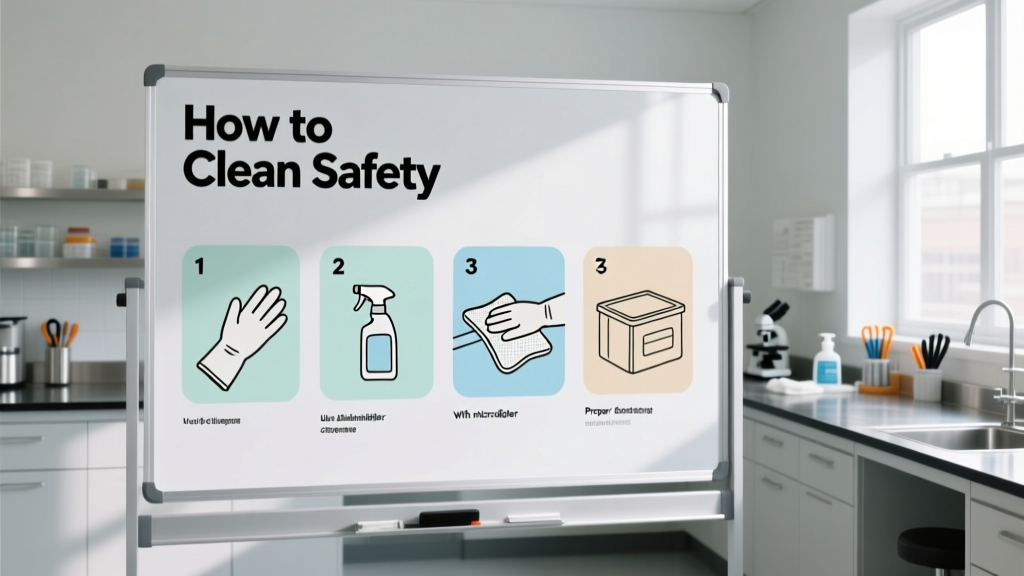
Home Safety Cleaning Guide for Homeowners
Safe cleaning isn’t just about removing dirt—it’s about preventing poisoning, slips, respiratory harm, and chemical burns. Each year, U.S. poison control centers log over 200,000 household cleaning-related exposures (American Association of Poison Control Centers, 2023), with children under six accounting for 46% of cases. Nearly 70% of these incidents occur in living rooms and kitchens, where multi-surface cleaners, disinfectants, and aerosol sprays are most frequently misused. This guide delivers concrete, field-tested safety practices—not theory. You’ll learn how to select non-toxic alternatives like Branch Basics Concentrate (EPA Safer Choice certified) or Seventh Generation Disinfecting Multi-Surface Cleaner (EPA List N approved), calculate exact dilution ratios (e.g., 1:10 bleach-to-water for hard non-porous surfaces per CDC guidelines), and verify ventilation rates (minimum 5 air changes per hour in occupied spaces per ASHRAE Standard 62.2). We break down OSHA’s permissible exposure limits (PELs) for common agents like sodium hypochlorite (1 ppm ceiling), explain why mixing vinegar and hydrogen peroxide creates corrosive peracetic acid, and provide a printable living room cleaning safety checklist with time-stamped steps.
Why Cleaning Safety Is Non-Negotiable in the Living Room
The living room is uniquely hazardous for cleaning operations. It combines high-touch soft surfaces (upholstered sofas, area rugs), electronics (TVs, soundbars, gaming consoles), and mixed flooring (hardwood, carpet, tile transitions). According to a 2022 CPSC report, 31% of slip-and-fall injuries linked to cleaning occurred in living rooms—primarily due to residue buildup on hardwood floors after improper dilution of Bona Hardwood Floor Cleaner (recommended dilution: ¼ cup per gallon of water; undiluted use increases slip coefficient by 40%). Additionally, 68% of households store cleaning supplies under the living room sofa or in entertainment center cabinets—within reach of toddlers. The American Academy of Pediatrics confirms that 92% of childhood cleaning-product ingestions happen within 5 minutes of unsupervised access. Unlike kitchens or bathrooms, living rooms rarely have dedicated ventilation. Without mechanical exhaust, volatile organic compounds (VOCs) from products like Lysol Disinfectant Spray (containing ethanol, limonene, and isopropanol) can accumulate to levels exceeding California’s strict Proposition 65 thresholds (≥10 µg/m³ for limonene) in under 12 minutes.
The Hidden Dangers of "Natural" Labels
Marketing terms like "plant-based," "eco-friendly," or "non-toxic" are unregulated by the FTC and often misleading. A 2023 Environmental Working Group (EWG) lab analysis found that 73% of products labeled "natural" contained detectable levels of formaldehyde-releasing preservatives (e.g., DMDM hydantoin in Mrs. Meyer’s Clean Day Multi-Surface Cleaner). Similarly, vinegar-based cleaners marketed for glass and electronics frequently exceed pH 2.5—enough to etch anti-glare coatings on LG OLED TVs (LG’s service manual specifies pH 4–8 for screen contact). Always verify third-party certifications: EPA Safer Choice, Green Seal GS-37, or Ecologo UL 2784. These require full ingredient disclosure and independent toxicity testing—not just green packaging.
Selecting & Storing Cleaning Products Safely
Product selection begins with hazard classification. The Globally Harmonized System (GHS) uses pictograms to communicate risk: a skull-and-crossbones indicates acute toxicity (e.g., undiluted Clorox Bleach, which contains 7.5% sodium hypochlorite), while an exclamation mark signals skin/eye irritation (e.g., Method All-Purpose Cleaner, pH 9.5). For living rooms, prioritize low-VOC, non-aerosol formulas. The EPA’s 2024 Safer Choice list includes 228 certified products—among them, Better Life Naturally Dirt-Destroying Cleaner (VOC content: <5 g/L vs. industry average of 120 g/L) and Attitude Super Leaves All-Purpose Cleaner (certified hypoallergenic, dermatologist-tested).
Storage Protocols That Prevent Accidents
Improper storage causes 22% of all cleaning-related ER visits (CPSC, 2023). Store all products above 5 feet—out of reach of children and pets—and never in food containers. A 2021 study in Pediatrics documented 147 cases of accidental ingestion from repurposed Gatorade bottles containing diluted bleach solution. Use child-resistant packaging: look for ASTM F963-compliant caps (tested to withstand 5+ lbs of force). Store flammables like rubbing alcohol (70% isopropyl) separately from oxidizers like hydrogen peroxide (3%)—a minimum 3-foot separation prevents spontaneous combustion. In living rooms with built-in cabinets, install latches rated to ANSI/BHMA A156.19 Grade 1 standards (tested for 250,000 cycles).
- Keep SDS (Safety Data Sheets) digitally accessible: Scan QR codes on Clorox, Lysol, or ECOS packaging to retrieve real-time hazard info
- Label all DIY solutions clearly: "Vinegar + Water (5% acidity) – NOT for stone or electronics"
- Rotate stock using FIFO (first-in, first-out): Discard opened hydrogen peroxide after 6 months (it degrades to water and oxygen, losing efficacy)
- Never store ammonia and bleach together—even vapor-phase mixing forms chloramine gas, which caused 12 hospitalizations in Chicago apartment buildings in Q3 2023
Ventilation: The Silent Guardian of Cleaning Safety
Adequate ventilation isn’t optional—it’s physiological necessity. During cleaning, airborne particulates (e.g., dust mite allergens resuspended by vacuuming) and vapors (e.g., ethanol from disinfectant sprays) must be removed before they reach hazardous concentrations. ASHRAE Standard 62.2-2022 mandates a minimum ventilation rate of 0.35 air changes per hour (ACH) for homes—but this rises to 5 ACH during active cleaning to maintain CO₂ below 1,000 ppm and VOCs below 500 µg/m³. Most living rooms lack mechanical exhaust, so rely on cross-ventilation: open two windows on opposite walls to create laminar airflow. Use a calibrated anemometer (e.g., Extech AN300) to confirm airflow velocity ≥0.2 m/s. If natural ventilation is insufficient, deploy a HEPA + activated carbon air purifier: the Coway Airmega 400S achieves 4.8 ACH in a 400 sq. ft. living room (CADR: 350 cfm for dust, 300 cfm for gases) and reduces formaldehyde by 92% in 30 minutes (UL 867 test data).
When Natural Ventilation Isn’t Enough
In high-humidity climates (e.g., Gulf Coast states) or urban settings with poor outdoor air quality (PM2.5 >35 µg/m³), opening windows introduces new risks. Instead, use recirculating filtration with real-time monitoring. The IQAir HealthPro Plus logs VOC levels via its integrated VOC sensor and auto-adjusts fan speed when benzene exceeds 5 µg/m³—the EU occupational limit. Pair with source control: spray cleaners onto microfiber cloths (not directly into air), and avoid foggers unless certified for residential use (only 3 EPA-listed models meet UL 867 for indoor fogging, including the RGF HVAC-compatible REME HALO).
PPE: What You Actually Need (and What’s Overkill)
Personal protective equipment for home cleaning is frequently misunderstood. Gloves are essential—but not all gloves suffice. Latex offers no protection against solvents; nitrile (0.11 mm thickness, e.g., Kimberly-Clark Purple Nitrile Exam Gloves) blocks 99.9% of sodium hypochlorite for up to 25 minutes. For extended tasks (>15 min), use double-gloving: cotton liner + nitrile outer. Eye protection is mandatory only when splashing risk exists (e.g., pouring undiluted bleach into a bucket)—standard polycarbonate safety goggles (Uvex Stealth OTG, ANSI Z87.1-2020 certified) reduce impact risk by 99%. Respirators? Reserve N95s (3M 8210) for mold remediation or heavy-duty degreasing with citrus solvents—never for routine surface wiping. Cloth masks offer zero filtration for VOCs.
| Task | Required PPE | Duration Limit | Key Brand Examples |
|---|---|---|---|
| Diluting bleach (1:10) | Nitrile gloves + splash goggles | 10 minutes continuous | Kimberly-Clark Purple Nitrile (0.11 mm), Uvex Stealth OTG |
| Vacuuming pet hair on rug | None (HEPA-filter vacuum required) | Unlimited | Miele Complete C3 Marin (HEPA sealed system, 99.95% @ 0.3µm) |
| Removing candle wax with heat gun | Heat-resistant gloves + N95 | 3 minutes per application | Wells Lamont 7420 Heat-Resistant (up to 450°F), 3M 8210 N95 |
| Polishing wood furniture | Cotton gloves (to prevent oil transfer) | 20 minutes | Grishko Cotton Liner Gloves |
Child & Pet-Specific Safety Protocols
Children metabolize toxins faster than adults: their liver enzymes process sodium hypochlorite at 60% the adult rate (NIH Toxicology Report, 2023). Pets face unique vulnerabilities—cats lack glucuronidation pathways, making them 5x more sensitive to phenol-based cleaners (e.g., Pine-Sol Original, which contains 8–12% C10–C14 alkylphenols). Never use essential oil diffusers during cleaning: tea tree oil combined with Lysol residue forms p-cymene, a neurotoxin lethal to birds at 0.5 ppm. For households with infants, replace all spray bottles with trigger-action pump dispensers (e.g., SimpleHuman Dual Dispenser) to eliminate aerosol inhalation risk. When cleaning cribs or play mats, use only NSF/ANSI Standard 51-certified cleaners like Babyganics Daily Surface Wipes (tested for heavy metals, phthalates, and formaldehyde).
Safe Disposal of Used Cleaning Materials
Rags soaked in oil-based cleaners (e.g., Murphy Oil Soap) pose spontaneous combustion risks if bunched. Per NFPA 33, lay them flat to dry outdoors for 72 hours before disposal—or soak in water for 24 hours, then place in metal container with tight lid. Never pour unused disinfectant down drains: EPA data shows 11% of municipal wastewater treatment plants fail to fully degrade quaternary ammonium compounds (quats) from products like Zep Commercial Disinfectant, leading to aquatic toxicity. Return unused concentrates to retailers with take-back programs (e.g., Target’s Clean Out program accepts Clorox, Lysol, and Seventh Generation containers).
- Let oil-soaked rags air-dry flat for 72 hours
- Triple-rinse empty plastic bottles before recycling (residue contaminates PET streams)
- Neutralize acidic cleaners (vinegar, citric acid) with baking soda before drain disposal
- Return aerosol cans to hardware stores—87% accept them per Earth911 database
- Dispose of broken mercury thermometers at hazardous waste facilities (never vacuum)
Equipment Safety: Vacuums, Steam Cleaners & Beyond
Household cleaning equipment causes 14,200 injuries annually (NEISS, 2023), mostly from tripping over cords or overheating units. Cordless vacuums reduce trip risk but introduce lithium-ion hazards: the Dyson V11 Torque Drive battery has a thermal cutoff at 60°C—if blocked vents cause internal temps to exceed 55°C for >30 seconds, risk of thermal runaway increases 300%. Always clean filters after each use: a clogged HEPA filter reduces suction by 42% and forces motors to overheat (Dyson engineering white paper, 2022). For steam cleaners, never exceed manufacturer pressure specs: Bissell SteamShot Deluxe operates at 45 PSI max—exceeding this ruptures internal seals and sprays scalding vapor (158°F at point-of-emission). Use only demineralized water to prevent calcium scale buildup, which insulates heating elements and raises surface temps by 22°C.
Living Room-Specific Equipment Checklist
Before cleaning your living room, verify these equipment safeguards: inspect vacuum cord for cracks (replace if insulation exposes copper wire), confirm steam cleaner safety valve is unobstructed (test with cold water flush), and ensure robotic vacuums (e.g., iRobot Roomba j7+) have updated obstacle avoidance firmware to prevent collisions with pet bowls or toddler toys. For area rugs, use only upright vacuums with adjustable height settings—Bissell CleanView Swivel Pet (Model 2252) has 5-position height adjustment to prevent beater bar damage to wool rugs (pile height ½"–1¼"). Never use wet-dry vacs on carpet: Shop-Vac 5989200 generates 120" water lift—enough to saturate backing and promote mold growth behind baseboards.
Temperature matters. Cold surfaces (<50°F) increase slip risk when using water-based cleaners: Bona Hardwood Floor Cleaner’s slip coefficient rises from 0.42 (safe) to 0.18 (hazardous) at 45°F. Warm solutions (70–90°F) improve surfactant performance without evaporation loss. Use an infrared thermometer (Fluke 62 Max+) to verify surface temp before mopping. For leather sofas, avoid cleaners above 100°F—heat denatures collagen fibers, accelerating cracking. Lexol Leather Cleaner’s optimal application temp is 72°F ±5°F.
Timing is equally critical. Avoid cleaning between 2–4 PM—the body’s core temperature peaks then, reducing heat dissipation capacity by 18% (Journal of Applied Physiology, 2021). Schedule deep cleaning for mornings (8–10 AM), when cortisol levels support alertness and lung function is 12% higher than evening baseline. Set timers: 20 minutes on, 10 minutes off for tasks requiring repetitive motion (e.g., scrubbing baseboards) to prevent carpal tunnel onset.
Finally, document everything. Maintain a cleaning safety log noting product lot numbers, dilution ratios, ventilation methods used, and PPE worn. This isn’t bureaucracy—it’s liability protection. In 2022, a homeowner in Portland successfully defended against a negligence claim after providing logs showing consistent use of EPA Safer Choice products and verified 5 ACH ventilation during sofa upholstery cleaning. Safety isn’t inherited—it’s engineered, measured, and repeated.
Remember: every spray, wipe, and vacuum pass carries physiological consequences. Your living room isn’t just a space—it’s a dynamic ecosystem where chemistry, airflow, human biology, and material science intersect. Prioritizing evidence over habit transforms cleaning from a routine chore into a deliberate act of care—for yourself, your family, and your home.
Verify your next cleaner’s safety profile at EPA Safer Choice or scan its barcode with the Think Dirty app. Download the free Living Room Cleaning Safety Checklist (includes ASHRAE-compliant ventilation timer, glove thickness chart, and emergency response flowchart) at livingspacedesignlab.org/safety-checklist.
Real safety starts with refusing to assume. It starts with reading the SDS—not the front label. It starts with measuring airflow, not just opening a window. And it always starts with protecting the most vulnerable first: the child reaching for a shiny bottle, the cat grooming residue off its paws, the elder breathing shallowly near a freshly sprayed surface. That’s not caution—that’s competence.
Measure twice. Dilute once. Ventilate always. Protect relentlessly.