Bedroom Color Schemes That Promote Better Sleep
The Science of Color and Sleep
Research from the Travelodge study and subsequent color psychology research shows that bedroom color directly affects sleep duration and quality. Cool, muted tones signal the brain to produce melatonin, while bright warm colors stimulate alertness.
Best Colors for Sleep
Soft Blue (Top Choice)
Blue bedrooms averaged 7 hours 52 minutes of sleep per night in studies. Blue activates calming responses in the brain's hypothalamus, reducing heart rate and blood pressure. Choose dusty blue, slate blue, or pale sky blue rather than bright navy.
Sage Green
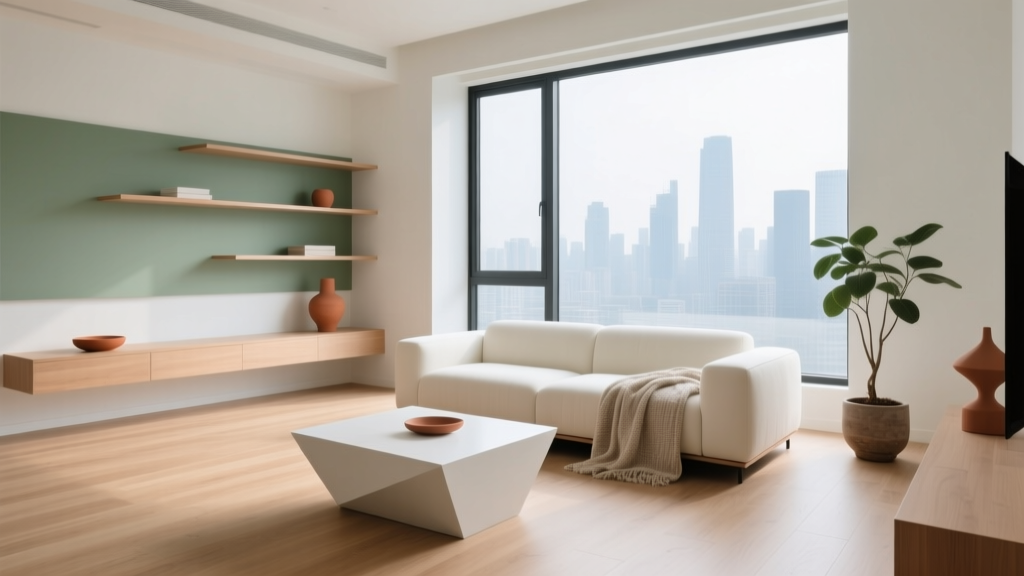
Green sits in the middle of the visible spectrum, requiring no adjustment from your eyes. This reduces visual strain and promotes relaxation. Sage, sagebrush, or muted olive tones work best.
Warm Gray
A warm gray (with beige or taupe undertones) creates a cocoon-like feeling without the starkness of cool gray. It pairs well with any accent color and works in both natural and artificial light.
Colors to Avoid
- Bright red or orange: Stimulates adrenaline and raises heart rate
- Pure white: Too clinical, can feel sterile and anxiety-inducing
- Dark purple: Associated with increased brain activity and vivid dreaming (often nightmares)
- Bright yellow: Energizing in small doses but overwhelming on bedroom walls
Applying Color Beyond Walls
If you cannot paint, use bedding, curtains, and area rugs to introduce calming colors. A blue duvet cover, sage throw pillows, and a warm gray area rug can transform the room without touching a paintbrush.