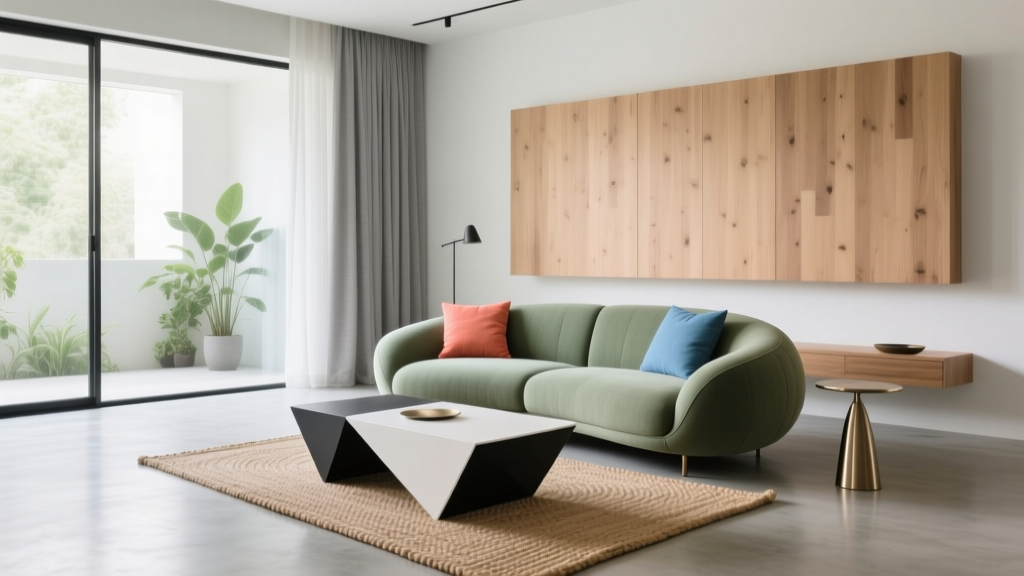
Dining Room Rug Sizing Guide: Perfect Fit in 2026
Master Your Dining Room Rug Sizing in 2026
Choosing the right rug for your dining room isn’t just about aesthetics—it’s about function, comfort, and long-term durability. In 2026, interior design continues to prioritize intentional layering and ergonomic living, making proper rug sizing more critical than ever. A poorly sized rug can disrupt visual flow, cause chair instability, or wear prematurely. This guide delivers clear, measurement-backed advice—no guesswork—so your dining space looks polished, feels secure, and stands up to daily use.
Why Rug Size Matters (Beyond Looks)
A dining rug serves three core functions: anchoring the table visually, protecting flooring from chair scuffs and spills, and providing underfoot comfort during extended meals. When a rug is too small, chairs slide off its edge when pulled out—creating tripping hazards, scratching hardwoods, and fraying rug borders. Too large, and the rug overwhelms the room or crowds circulation paths. The goal is balance: full chair coverage *in use*, proportional scale with furniture, and at least 24–36 inches of exposed floor border on all sides for breathing room.
The Golden Rule: Chair Clearance
The single most important principle is chair clearance. In 2026, designers universally recommend that all four legs of every dining chair remain fully on the rug—even when chairs are pulled out for seating. This ensures stability, prevents snagging, and eliminates floor scratches.
To calculate minimum rug width and length:
- Measure your table (length × width).
- Add 60 inches (5 feet) total: 30 inches (2.5 ft) to each side (for two chairs + clearance).
For example:
• A 72" × 36" rectangular table → Rug minimum = 132" × 96" (11' × 8')
• An 84" × 42" table → Rug minimum = 144" × 102" (12' × 8.5')
Round up to standard sizes (e.g., 9' × 12', 10' × 14') if your calculation falls between. Never round down.
Standard Rug Sizes & When to Use Them
While custom rugs offer perfect fits, most homeowners choose from these widely available dimensions—each suited to specific table configurations:
- 8' × 10': Ideal for tables up to 72" long (6') with 4–6 chairs. Fits compact dining nooks and open-concept kitchens with defined zones.
- 9' × 12': The most versatile size—accommodates 72"–96" tables (6'–8') with 6–8 chairs. Recommended for 85% of midsize dining rooms in 2026.
- 10' × 14': Best for large extendable tables (96"+), formal dining rooms, or spaces where you want generous floor margins (36"+ on all sides).
- Circular rugs (8'–10' diameter): Work beautifully under round or oval tables. Ensure at least 30" of rug extends beyond the table’s widest point in all directions.
Pro Tip: If your dining area shares space with a kitchen island or living zone, use rug size to define boundaries—opt for the largest size that maintains ≥24" walkways on primary paths.
Material Matters: Durability Meets Design
In 2026, performance-driven materials dominate dining rug selections—especially where spills, foot traffic, and chair movement converge.
- Wool: Naturally stain-resistant, resilient, and soft underfoot. Look for felted wool or flatweave wool (e.g., kilims) for easier vacuuming and lower pile height—critical for smooth chair gliding. Avoid deep-pile shags; they trap crumbs and impede movement.
- Performance Polyester & Polypropylene: Highly affordable, solution-dyed options resist fading and stains. New 2026 weaves mimic wool texture while offering superior cleanability—ideal for families and pet owners.
- Flatweave Cotton & Jute Blends: Breathable and eco-conscious, but best reserved for low-traffic or formal settings. Pure jute lacks resilience for daily chair drag—opt for blends with 20–30% cotton or recycled nylon for reinforcement.
- Avoid: Unbacked natural fiber rugs (prone to slipping), shag rugs (hard to clean, unsafe for chairs), and thin vinyl/rubber-backed rugs (can discolor or damage hardwood finishes over time).
Layout & Placement Nuances
Even with correct sizing, placement affects safety and style:
- Center precisely: Align rug center with table center—not wall or room center—unless your table is truly floating.
- Clearance check: Walk around the table with chairs fully extended. No chair leg should hover or catch.
- Floor transition: On hard surfaces, use a non-slip rug pad rated for dining areas (e.g., felt-and-rubber hybrid). In 2026, pads with low-profile grip (under ¼") prevent tripping while securing the rug.
- Carpeted floors?: Skip the rug—or use a very low-profile, tightly woven option (≤0.25" pile) to avoid uneven transitions and chair resistance.
Common Mistakes to Avoid in 2026
- “Just covering the table”: A rug that only fits under the tabletop (not chairs) is functionally useless—and a leading cause of scratched floors.
- Ignoring chair depth: Measure your actual chairs—not just the table. Deep armchairs may require +6" beyond standard calculations.
- Overlooking lighting: Large rugs absorb light. In dim rooms, choose lighter hues or textured neutrals (oatmeal, heather gray) to maintain airiness.
- Skipping the pad: 92% of rug wear in dining areas occurs due to friction—not foot traffic. A quality pad extends rug life by 3–5 years.
Final Checklist Before You Buy
✔ Measured table *and* chairs (extended position)
✔ Added 30" to table length AND width
✔ Selected a standard size equal to or larger than calculated minimum
✔ Chosen a flatweave or low-pile, durable material (wool, performance polyester, reinforced blend)
✔ Picked a non-slip pad designed for dining use
✔ Verified at least 24" of exposed floor remains on primary walkways
✔ Visualized layout using painter’s tape on floor (free & foolproof!)
Your dining rug is the foundation of connection—where conversations unfold, meals are shared, and memories gather. By anchoring it correctly in 2026, you’re not just choosing a floor covering—you’re investing in safety, longevity, and seamless everyday elegance. Take the measurements, trust the math, and enjoy a space that works as beautifully as it looks.