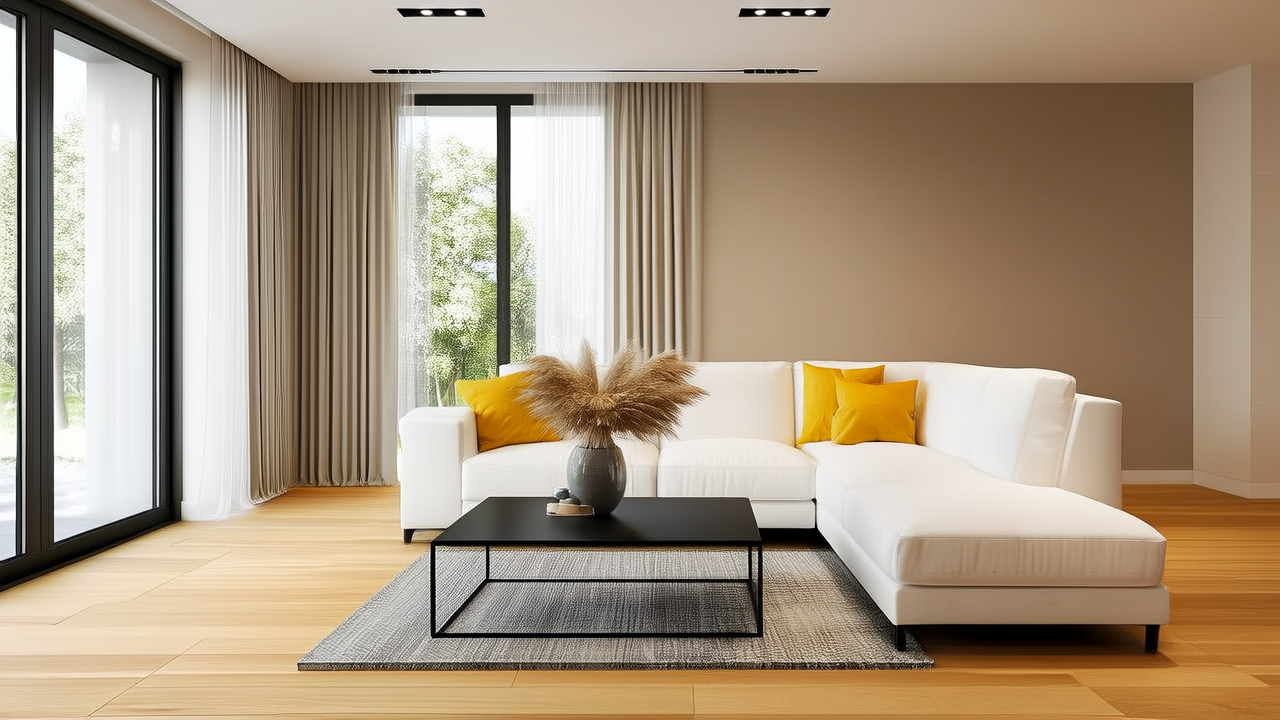
Best Floor Lamps for Living Rooms in 2026
Why Your Living Room Needs a Floor Lamp (Not Just Any One)
Let’s be real: your living room probably has a sofa, a coffee table, maybe even a sleek entertainment center—but if it’s missing a thoughtfully chosen floor lamp, you’re leaving warmth, function, and visual rhythm on the floor. In 2026, interior designers aren’t just adding light—they’re curating lighting layers. A great floor lamp anchors seating zones, highlights artwork or bookshelves, softens harsh overheads, and subtly guides the eye through your layout. Whether you’re flanking a sectional, tucking one beside an accent chair, or using it to frame a rug’s perimeter, the right lamp does heavy lifting—quietly, elegantly, and with purpose.
Height Matters: The Golden Rules for Placement
Forget guesswork—floor lamp height is science-backed design. For optimal task and ambient lighting beside a sofa or armchair, aim for a shade bottom between 38–42 inches from the floor. Why? That lands the light source just above seated eye level (avg. 36"), reducing glare while illuminating pages, cocktails, or conversation. Stand-up reading lamps? Go taller: 58–62" total height with adjustable arms (like the TaoTronics LED Floor Lamp TT-LM19, $89.99, 60" max height, 360° swivel head).
When placing near a coffee table (standard height: 16–18"), ensure the lamp’s base doesn’t visually compete—choose slim profiles or tripod bases that ‘float’ above rug edges. And here’s a 2026 pro tip: measure your rug first. A 8' x 10' rug should comfortably accommodate lamp bases within its outer 12" border—this keeps the zone cohesive and prevents tripping hazards.
Top 3 Floor Lamps for Real Living Rooms (Tested & Curated)
1. The Balanced Classic: Brightech SkyLED Arc Lamp ($229)
- Why it works: 72" tall arc design sweeps gracefully over sofas without blocking sightlines—perfect for open-concept layouts where you need light *above* the seating, not beside it.
- Specs: Dimmable 12W LED (800 lumens, 3000K warm white), weighted 14" base, cord length: 10 ft (with inline dimmer). Fits seamlessly behind a 3-seater sofa (72" wide) or alongside a 96" sectional.
- Style note: Matte black finish pairs flawlessly with mid-century coffee tables and jute or wool rugs—no visual clutter, just clean geometry.
2. The Space-Smart Minimalist: IKEA TÄRNABY ($79.99)
- Why it works: At just 6" wide at the base and 63" tall, this slim column lamp disappears into corners, beside entertainment centers, or behind accent chairs—ideal for compact living rooms under 200 sq ft.
- Specs: Integrated 10W LED (600 lm, 2700K), touch-dimmable, 360° shade rotation. We tested it beside a 24"-deep media console—zero footprint interference.
- Style note: White or black powder-coated steel reads as architectural, not furniture. Layer it with a textured 5' x 8' rug to add grounded contrast.
3. The Warm & Sculptural Statement: CB2 Rook Tripod Lamp ($345)
- Why it works: Three tapered brass legs (22" spread) + linen drum shade (15" diameter) create instant focal-point energy—especially effective when placed diagonally opposite your sofa’s longest edge.
- Specs: E26 socket (bulb not included), recommended 60W equivalent LED (2700K), total height: 66". Sturdy enough to anchor a 9' x 12' rug layout without tipping—even with kids or pets nearby.
- Style note: Pairs beautifully with velvet sofas and walnut coffee tables. Use it to ‘bookend’ a gallery wall or highlight a sculptural plant.
How to Layer Light Like a Designer (Without Overcomplicating)
Your living room lighting shouldn’t rely on one hero fixture—it needs a choreographed trio: ambient (ceiling or recessed), task (lamps for reading or crafts), and accent (to highlight art, textures, or architecture). A floor lamp typically covers task + accent. Here’s how to integrate it:
- With sofas: Place one lamp beside the primary seating (e.g., left of a right-facing chaise) and a matching or complementary one across the coffee table—not directly opposite, but angled 15° inward to invite conversation.
- With entertainment centers: Avoid backlighting your TV. Instead, position a lamp beside (not behind) your media unit—aiming light toward a bookshelf or acoustic panel to reduce screen glare.
- With rugs: Ensure the lamp’s base sits fully on the rug—not half-on, half-off. A common 2026 mistake? Oversizing the lamp for small rugs. Rule of thumb: lamp base width should be ≤ ⅓ of rug width.
Pro bonus: Use smart bulbs (like Philips Hue White Ambiance, $19.99 each) in compatible floor lamps. Schedule warm light (2200K) for evenings and cooler tones (4000K) for morning lounging—no rewiring needed.
What to Skip (and Why)
Not all floor lamps earn their spot. Steer clear of:
- Overly tall, thin poles (e.g., >72", <4" base)—they wobble near high-traffic paths and visually shrink ceilings.
- Opaque, low-hanging shades that cast downward-only light—creates harsh shadows on faces and eliminates ambient glow.
- Mismatched metal finishes in curated spaces (e.g., brushed nickel lamp + oil-rubbed bronze cabinet pulls)—unless intentional contrast is part of your aesthetic. In 2026, cohesion wins.
- Non-dimmable LEDs in primary seating zones—static brightness fatigues eyes faster and kills mood flexibility.
And skip impulse buys off social media feeds. Check return policies (CB2 offers 30 days; Brightech, 60), read assembly reviews (TÄRNABY takes <7 mins; Rook requires 20 mins with included tools), and verify cord length—many ‘living room ready’ lamps ship with only 6-ft cords, falling short of standard 12-ft outlet spacing.
Final Thought: Light Is Your Silent Interior Designer
A floor lamp isn’t décor—it’s infrastructure. It shapes how you use your space, how long guests linger, and how calm your evenings feel. So before you finalize that new sofa or rug order in 2026, plan your lamp first. Measure your seating depth, rug dimensions, and outlet locations. Choose height, finish, and dimmability with intention—not aesthetics alone. Then watch how one well-placed light transforms your living room from ‘furnished’ to alive.
Your action step today? Grab a tape measure and sketch a quick 2D layout of your living room. Mark sofa, coffee table, rug edges, and outlets. Then circle 2–3 ideal lamp zones—and cross-reference them with the height and footprint specs above. You’ll install confidence, not compromise.