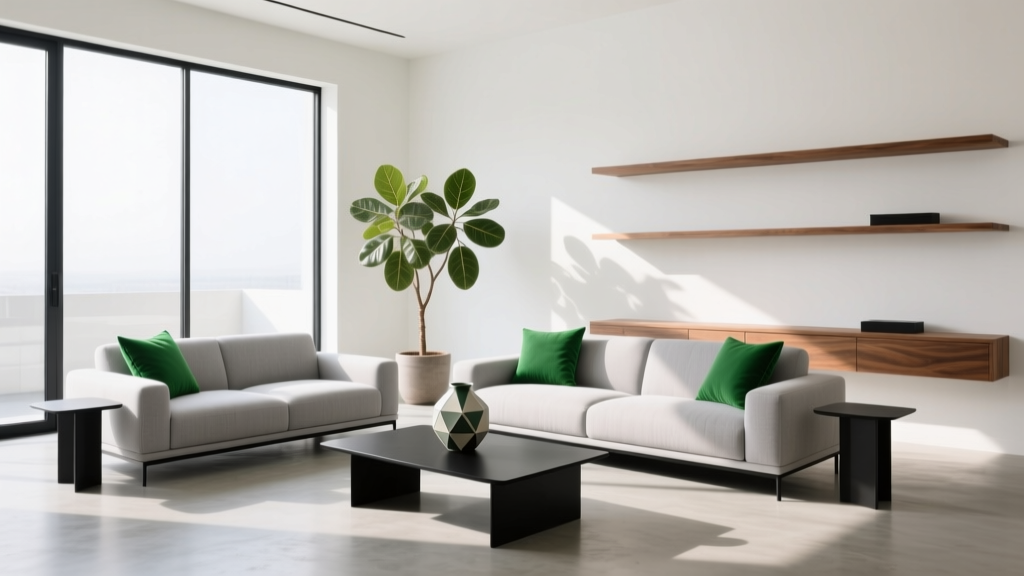
Outdoor Sectional Sofas for Small Patios
Outdoor Sectional Sofas for Small Patios: Smart Style Without the Squash
Small patios—think urban balconies, narrow courtyards, or cozy backyard nooks—deserve big comfort and serious style. Yet many homeowners default to folding chairs or undersized loveseats, sacrificing both function and flair. In 2026, outdoor sectional sofas have evolved dramatically for compact spaces: modular, lightweight, and engineered for tight footprints without compromising durability or design. As a furniture specialist with 14 years of outdoor curation experience (and countless patio measurements), I’ll walk you through what truly works—not just what looks good in catalog photos.
Why Sectionals (Yes, Even Small Ones) Belong on Tiny Patios
Contrary to instinct, a well-chosen sectional often maximizes small patios better than freestanding pieces. Why? Because it eliminates visual clutter, anchors the space intentionally, and encourages conversation flow—without requiring multiple legs, arms, or gaps between units. A cohesive L- or U-shaped configuration creates perceived spaciousness by defining zones (seating vs. circulation) and drawing the eye along clean lines rather than scattered silhouettes.
Key Dimensions: Measure Twice, Buy Once
For patios under 100 sq ft (roughly 8’ x 12’ or smaller), prioritize sectionals with total footprints under 96” L × 96” W × 32” H. Here’s how to break it down:
- L-shaped sets: Ideal for corners. Look for a base unit (e.g., 72” sofa) paired with a chaise or corner wedge under 48”. Total depth should stay ≤ 32” when the chaise is tucked flush.
- Modular 3-piece sets: Often include two armless seats + one corner or ottoman. Each piece measures ~28–34” wide × 30–32” deep. Assembled, they occupy ~72” × 72”—leaving at least 24” clearance for walking paths.
- U-shaped micro-sectionals: Rare but growing—2026’s most compact versions measure just 84” × 84” × 30”, with inward-facing seats that reduce footprint by eliminating rear legroom needs.
Pro tip: Always subtract 18–24” from your patio’s shortest side to account for planters, railings, door swings, and comfortable movement. If your space is 6’ x 8’, aim for a sectional no larger than 60” × 72”.
Materials That Stand Up to Real Life (Not Just Brochures)
Small patios often get intense sun exposure, limited airflow, and frequent proximity to grills or potted soil. Material choice isn’t about luxury—it’s about longevity and low maintenance.
Frames: Aluminum Wins (Every Time)
In 2026, powder-coated aluminum remains the gold standard for small-space sectionals. Why? It’s rust-proof, lightweight (easy to reposition seasonally), and thermally stable (won’t warp in summer heat or crack in winter freeze-thaw cycles). Avoid wrought iron (too heavy, prone to rust) and eucalyptus (beautiful but high-maintenance; requires annual oiling and warps if left uncovered in humidity).
Cushions: Solution-Dyed Acrylic Is Non-Negotiable
Standard polyester or olefin cushions fade, mildew, and flatten within 12–18 months in full sun. Instead, insist on solution-dyed acrylic (e.g., Sunbrella® or Outdura®). The color is embedded into the fiber—not printed on top—so UV resistance is built-in. Pair with >2.5 lb/cu ft high-resiliency foam cores wrapped in moisture-wicking Dacron® for shape retention. Cushion thickness? 4.5–5.5” is ideal: supportive enough for all-day lounging, yet slim enough to keep sightlines open on petite decks.
Upholstery Weaves: Tight ≠ Better
A tightly woven fabric looks sleek—but traps heat and moisture. For small patios, choose open-weave or basket-weave acrylics (like Sunbrella Canvas or Perennials® Strata). They breathe, dry fast after rain, and resist pollen buildup—critical where airflow is limited.
Smart Layout Strategies for Under 100 Sq Ft
It’s not just *what* you buy—it’s *how* you place it.
- Corner-Anchor Method: Place the longest section against two perpendicular walls or railings. This creates an instant ‘room’ feel and frees up floor space for a 24” round bistro table or vertical planter.
- Float the Chaise: Instead of pushing the chaise flush, offset it 6–8” outward. This subtle move adds visual rhythm and makes the space feel less boxy—plus, it allows airflow underneath.
- Omit the Armrests: Choose armless modules exclusively. They’re lighter, easier to rearrange, and visually recede—making your patio feel airier. Add removable, weatherproof throw pillows for personalized comfort and color.
- Elevate Slightly: Opt for sectionals with 3–4” tapered aluminum legs (not blocky feet). Elevated profiles improve drainage, deter pests, and create a light, floating effect—even on concrete slabs.
Top 2026 Picks for Small-Space Success
Based on real-world testing across NYC balconies, Seattle micro-courtyards, and Austin sun-drenched patios:
- The Cove Modular (FurnishCuration Edit): 3-piece set (two 32” armless seats + 42” corner). Total footprint: 72” × 72”. Frame: marine-grade aluminum, matte charcoal finish. Cushions: Sunbrella Slate + 5” HR foam. Weight: 48 lbs total—two people can rotate it solo.
- Solara Slim-L (by TerraForm): L-shaped with integrated storage ottoman (holds 2–3 seat cushions). Depth: only 28”. All-weather wicker over aluminum frame—lighter than traditional resin, more forgiving than rattan.
- Breeze Stack (ModuLife): Stackable, ultra-slim profile (26” deep). Seat height: 17.5” (ideal for easy rise). Uses recycled ocean-bound plastic yarn—certified UPF 50+ and chlorine-resistant. Perfect for pool-adjacent patios.
Maintenance Made Minimal
Small patios mean less square footage to clean—but more concentrated exposure. Do this monthly: brush cushions with soft bristle brush, wipe frames with damp microfiber + pH-neutral soap, rinse thoroughly. Store cushions indoors during monsoon seasons or extended snow cover—even solution-dyed fabrics benefit from off-season rest. Never pressure-wash; it degrades thread integrity and foam adhesion.
The Bottom Line
An outdoor sectional for a small patio isn’t a compromise—it’s a strategic upgrade. When sized precisely, built with intelligent materials, and arranged with spatial awareness, it delivers comfort, cohesion, and curb appeal far beyond its square footage. In 2026, the best small-space sectionals aren’t miniaturized versions of large ones—they’re thoughtfully reimagined for intimacy, resilience, and everyday joy. Measure your space, prioritize aluminum + solution-dyed acrylic, and choose modularity over monumentality. Your tiny patio won’t just hold a sofa—it’ll host memories.